The funding will support the development of two of London's largest landscape-scale nature recovery initiatives across Redbridge and Hillingdon. Rewilding will take place on a scale rarely seen in urban areas, helping to drive nature recovery and create thriving habitats across the capital.
Working together the partners will develop long-term plans to restore natural processes, creating larger, better connected and more resilient habitats for wildlife as well as providing benefits for people and helping London to adapt to climate change. These rewilding pilots will demonstrate how investing in nature can improve everyday life for Londoners, by creating greener neighbourhoods and healthier communities, and places where wildlife and people can flourish together. They are part of delivering the Mayor’s new Clean Rivers and Healthy Waterways Plan–which outlines how the mayor and partners will transform London’s blue spaces over the next 10 years.
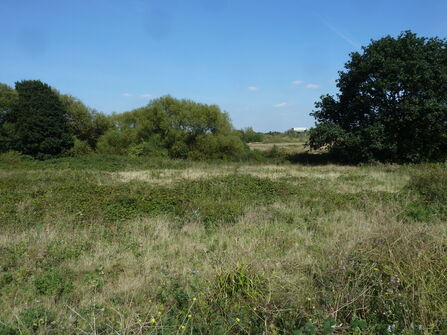
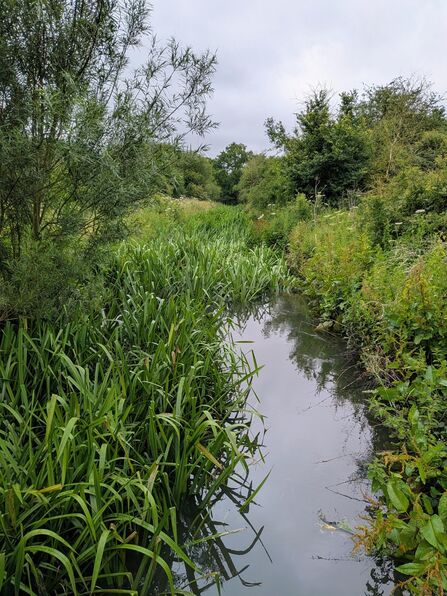
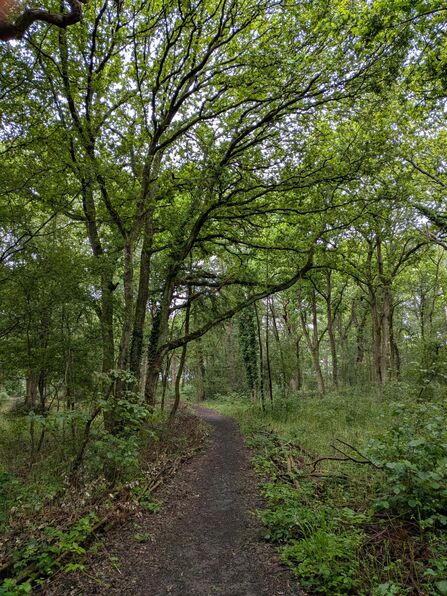
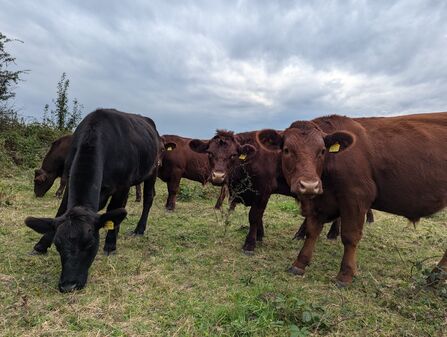
In Redbridge, the partnership will work together to develop and deliver a shared vision for nature recovery across Fairlop Plain. This includes Fairlop Waters Country Park, where the Council is progressing its ambitious masterplan, which will enlarge the country park with new areas for nature and ecologically restore existing parkland and rivers. In Hillingdon, partners will work collaboratively on shaping a long-term vision for nature recovery across the Gutteridge Woods to Yeading Brook Meadows corridor, creating a more connected and resilient network of habitats. Across both areas, partners will explore a range of rewilding approaches that could help achieve these aims. These include restoring rivers and floodplains, creating new habitats such as wetlands, supporting habitats to regenerate naturally, establishing grazing with heritage livestock and improving conditions for lost and declining wildlife to return, including where appropriate, through future species reintroductions.
Urban rewilding offers a powerful opportunity to tackle many of London's biggest long-term challenges at once, and, at its heart, the programme is about creating places where both wildlife and people can thrive. Through the restoration of natural processes, rewilding can help to reverse biodiversity loss, reduce flood risk, improve water quality, strengthen climate resilience and create healthier neighbourhoods. Taking a rewilding approach can also improve access to high-quality natural spaces, strengthen walking and cycling connections and create opportunities for local communities to help shape and care for nature on their doorstep, making it easier for thousands more Londoners to enjoy the health and wellbeing benefits of spending time in nature.
The programme has been shaped by strong public backing for urban rewilding. Research involving over 1,000 Londoners found that 95% believe nature and wildlife restoration projects are appropriate for the capital, 83% believe large-scale rewilding can work in London, and 77% said they would welcome a large-scale restoration or rewilding project in their local area.
The Mayor's investment will support the next phase of development through to 2028, including community engagement and consultation and the early delivery of rewilding on the ground. Together, the partners will also develop long-term funding models to ensure these landscapes continue to recover and thrive for generations to come.
Backed by strong political leadership and widespread public support, these landmark pilots represent a significant step forward for nature recovery in London. Together, they will demonstrate how rewilding can work in one of the worlds largest cities and inform future nature recovery across the capital.